The principle of the pasteurizer is that within a certain temperature range, the lower the temperature, the slower the reproduction of the bacteria; the higher the temperature, the faster the reproduction. But if the temperature is too high, the bacteria will die. Different bacteria have different optimum growth temperatures and heat and cold resistance. Pasteurization is actually the use of pathogens that are not very heat-resistant. They are treated with appropriate temperature and holding time to kill them all. However, after pasteurization, a small number of harmless or beneficial, heat-resistant bacteria or bacterial spores remain.
There are a wide variety of pasteurization procedures in use today. The "Low Temperature Long Time" (LTLT) process is a batch process that is now used only by small dairy plants to produce some cheese products. The "High Temperature Short Time" (HTST) process is a "flowing" process, usually carried out in plate heat exchangers, and is now widely used in the production of drinking milk. The product obtained in this way is not sterile, i.e. still contains microorganisms, and requires refrigeration during storage and handling. "Quick pasteurization" is mainly used in the production of yogurt dairy products. There are two main types of pasteurization methods commonly used in the world:
One is to heat the milk to 62~65 °C for 30 minutes. Using this method, it can kill various growth-type pathogenic bacteria in milk, and the sterilization efficiency can reach 97.3%~99.9%. After disinfection, only some thermophilic bacteria and heat-resistant bacteria and spores remain, but these Most of the bacteria are lactic acid bacteria, which are not only harmless to humans but also good for health.
The second method heats the milk to 75~90 °C and keeps it for 15~16 seconds. The sterilization time is shorter and the work efficiency is higher. However, the basic principle of sterilization is that the pathogen can be killed, and the temperature is too high, but there will be more nutrient loss.
Working principle of pasteurization machine Product structure and characteristics: The tank plate is made of food grade stainless steel SUB304 material, and the conveying part is made of stainless steel mesh belt, which is safe, reliable and pollution-free, and meets food safety requirements. Smooth delivery, adjustable speed, simple structure and easy maintenance. It also consumes less energy and uses less energy.

Subscribe to:
Post Comments (Atom)
The working principle of stage dry ice machine
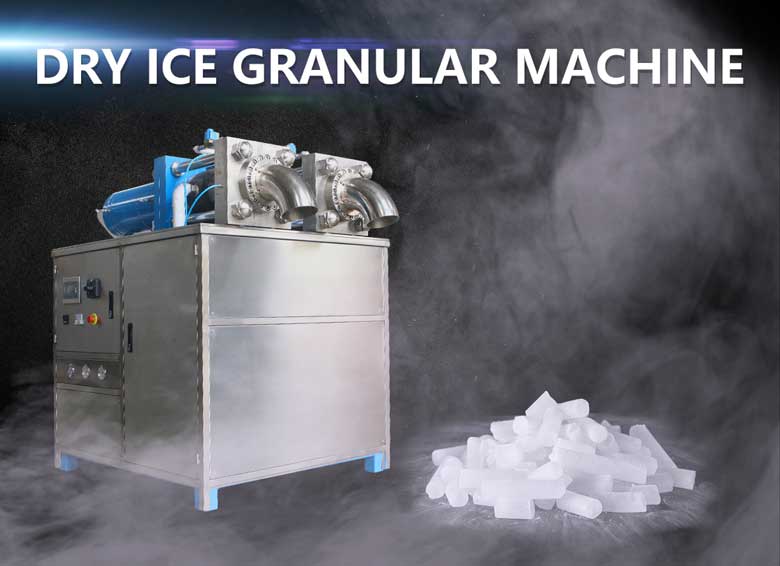
Do you know how to achieve the fairy-like smoke effect on the stage we often see? In fact, most of them are practical dry ice machines , so ...
-
Master garri processing machines introduction: 1. Peeling machine: peeling and washing tapioca tubers 2. Raster: Grating cassava tubers...
-
Q: Why use dry ice as the medium instead of sand or water? A: Because the polishing power of sandblasting is very strong, the substrate ma...
-
If you are determined to learn the knowledge of dry ice, then you must start with the practice of dry ice experiments, which can not only in...


No comments:
Post a Comment